Author: Shikhar Kannojia

  • Top Places to Visit in Delhi: A Travel Guide

    Top Places to Visit in Delhi: A Travel Guide

    Delhi, the capital of India, is a city that seamlessly blends the old and the new. From ancient monuments and bustling bazaars to modern architecture and vibrant nightlife, Delhi offers a diverse range of experiences for every traveler. Whether you’re a history enthusiast, a foodie, or a shopaholic, Delhi has something for everyone. Here’s a list of the top places to visit in Delhi:


    1. India Gate
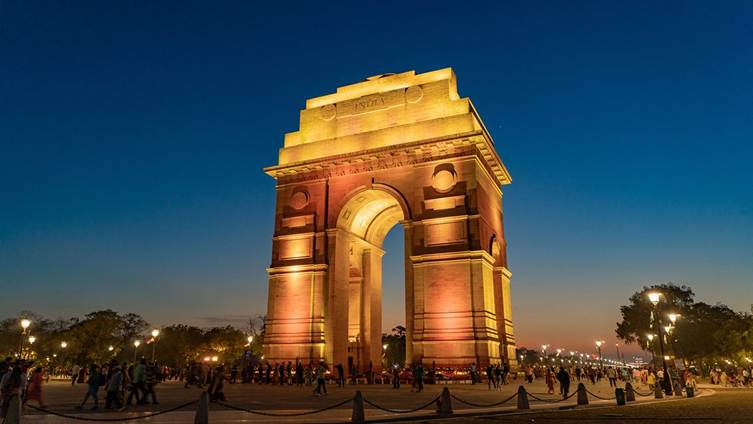
    Delhi India Gate

    Why Visit?
    India Gate is a war memorial dedicated to the soldiers of the British Indian Army who died in World War I. It’s a popular spot for picnics and evening strolls.

    Highlights:

    • Amar Jawan Jyoti (eternal flame)
    • Beautiful lawns
    • Light show in the evening

    Best Time to Visit: Early morning or evening.


    2. Red Fort (Lal Qila)
    Why Visit?
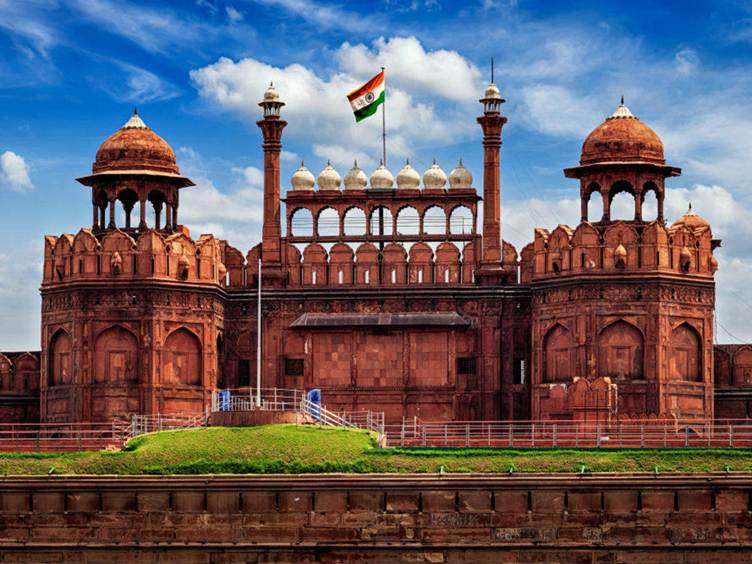
    A UNESCO World Heritage Site, the Red Fort is a symbol of India’s rich history and architectural grandeur. It was the main residence of the Mughal emperors.

    Highlights:

    • Sound and light show
    • Diwan-i-Aam and Diwan-i-Khas
    • Chatta Chowk (shopping arcade)

    Best Time to Visit: Morning or evening.


    3. Qutub Minar
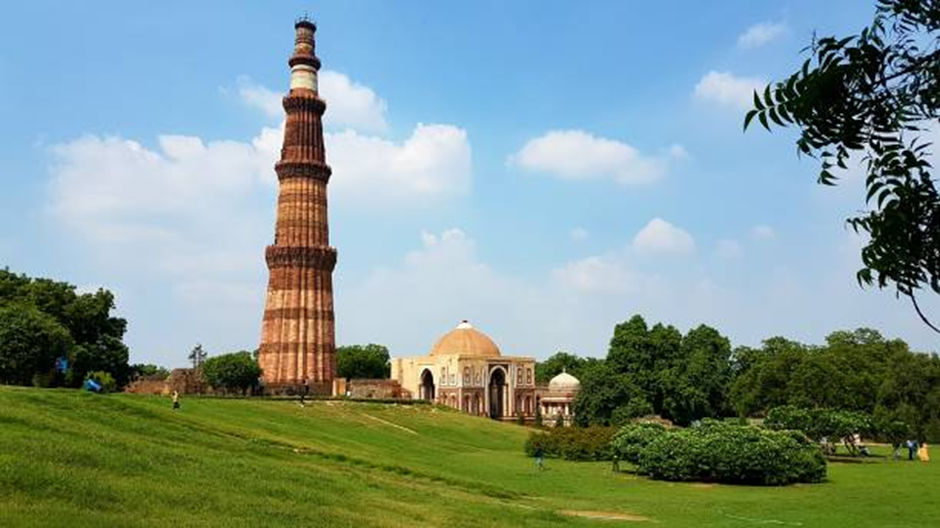
    Why Visit?
    Another UNESCO World Heritage Site, Qutub Minar is the tallest brick minaret in the world and a fine example of Indo-Islamic architecture.

    Highlights:

    • Qutub Minar tower
    • Quwwat-ul-Islam Mosque
    • Iron Pillar of Delhi

    Best Time to Visit: Morning or late afternoon.


    4. Humayun’s Tomb
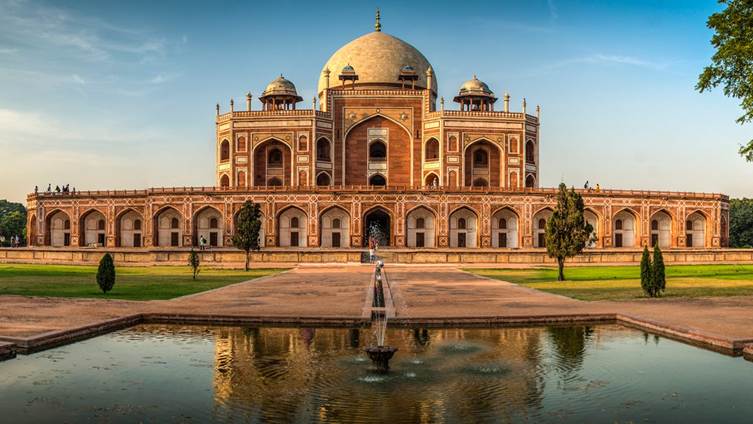
    Why Visit?
    This UNESCO World Heritage Site is the tomb of the Mughal Emperor Humayun and is considered a precursor to the Taj Mahal.

    Highlights:

    • Beautiful Mughal gardens
    • Architectural splendor
    • Photography opportunities

    Best Time to Visit: Early morning or late afternoon.


    5. Lotus Temple
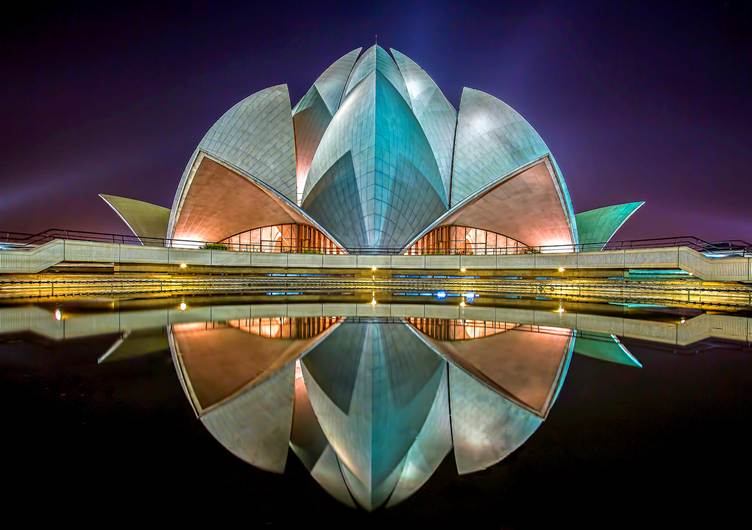
    Why Visit?
    The Lotus Temple is a Bahá’í House of Worship known for its unique lotus-shaped architecture and serene ambiance.

    Highlights:

    • Peaceful meditation sessions
    • Beautiful gardens
    • Architectural marvel

    Best Time to Visit: Morning or late afternoon.


    6. Akshardham Temple
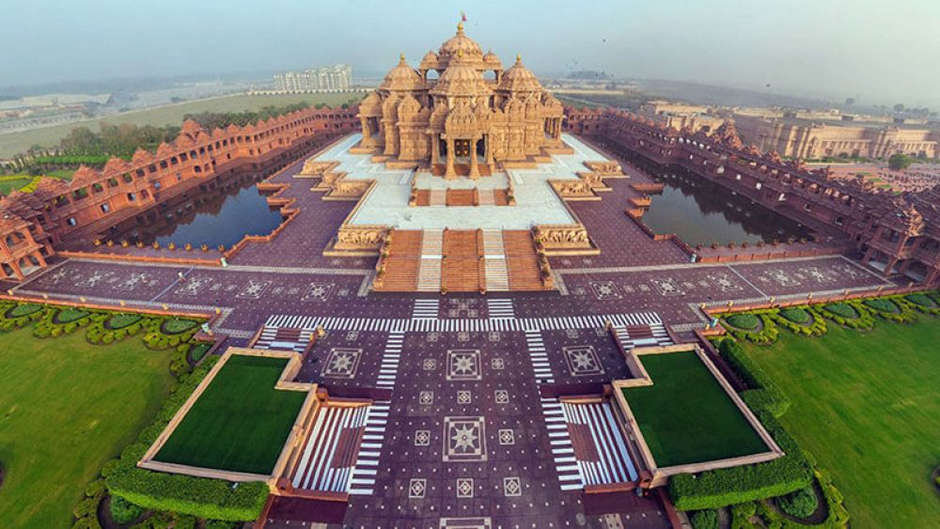
    Why Visit?
    Akshardham is a sprawling temple complex showcasing Indian culture, spirituality, and architecture.

    Highlights:

    • Main temple
    • Light and sound show
    • Boat ride showcasing India’s heritage

    Best Time to Visit: Morning or evening.


    7. Chandni Chowk
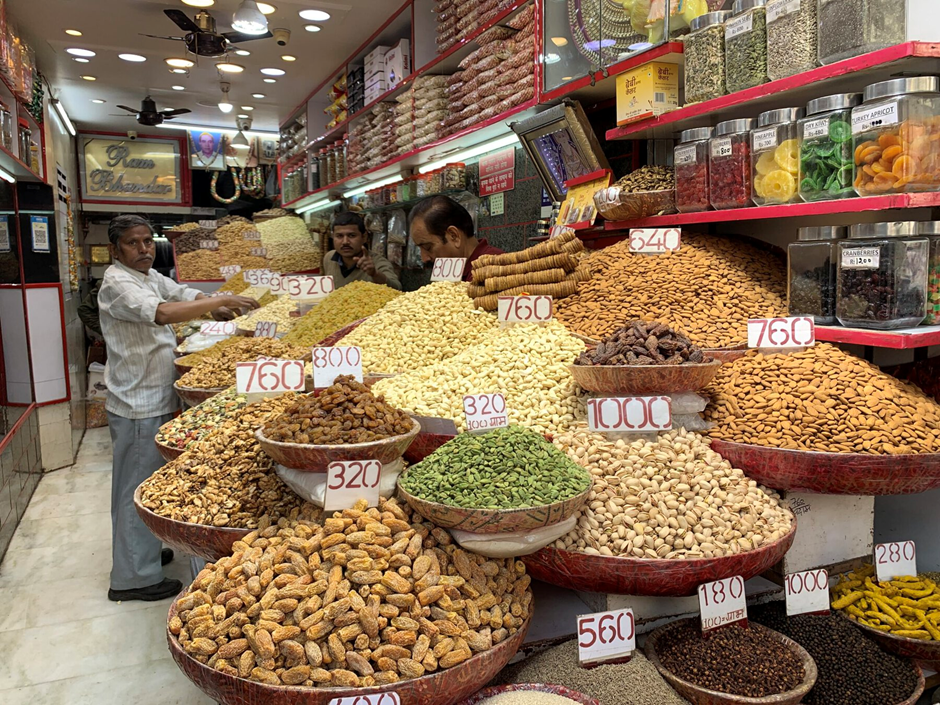
    Why Visit?
    One of the oldest and busiest markets in Delhi, Chandni Chowk offers a sensory overload with its narrow lanes, vibrant bazaars, and delicious street food.

    Highlights:

    • Paranthe Wali Gali
    • Jama Masjid
    • Spice Market

    Best Time to Visit: Early morning or late afternoon.


    8. Jama Masjid
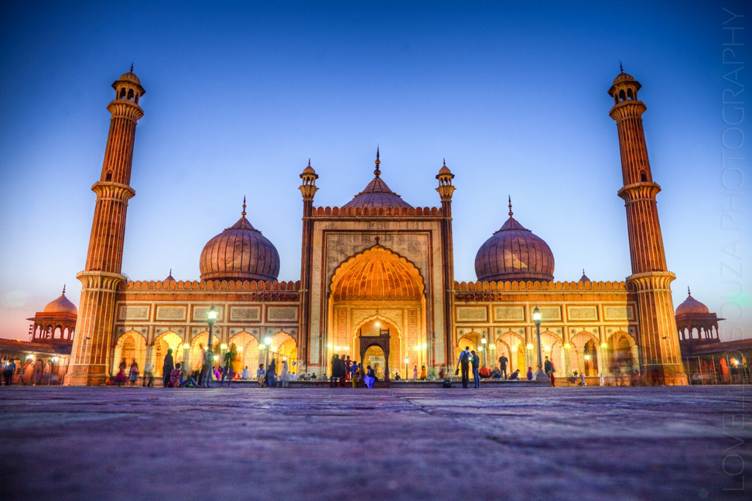
    Why Visit?
    Jama Masjid is one of the largest mosques in India and offers stunning views of Old Delhi from its minarets.

    Highlights:

    • Architectural beauty
    • Panoramic views of Old Delhi
    • Peaceful ambiance

    Best Time to Visit: Early morning or late afternoon.


    9. Rashtrapati Bhavan and Mughal Gardens
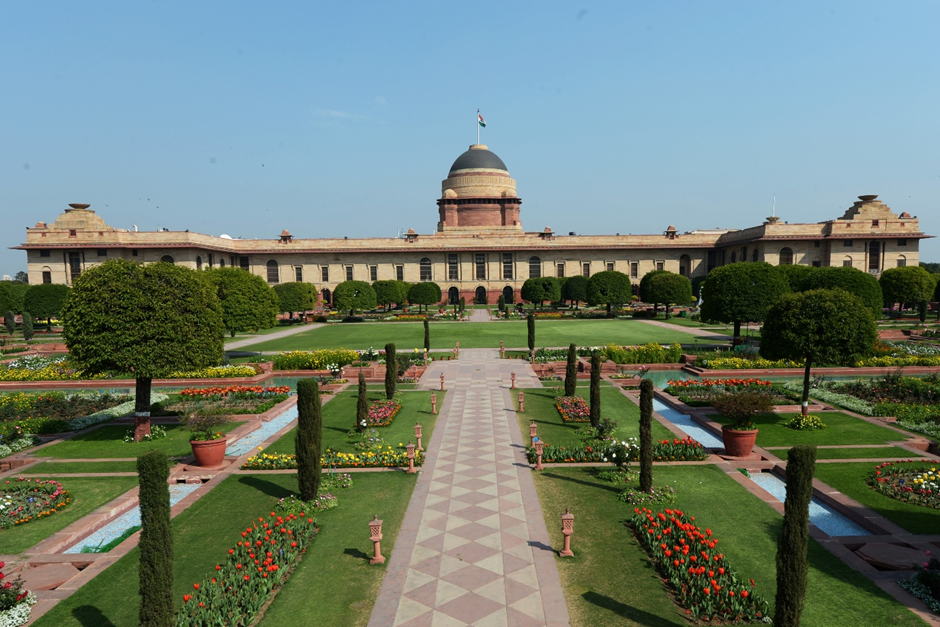
    Why Visit?
    The official residence of the President of India, Rashtrapati Bhavan is an architectural marvel. The Mughal Gardens are open to the public during specific times of the year.

    Highlights:

    • Mughal Gardens
    • Changing of the Guard ceremony
    • Architectural splendor

    Best Time to Visit: February to March (when Mughal Gardens are open).


    10. National Museum
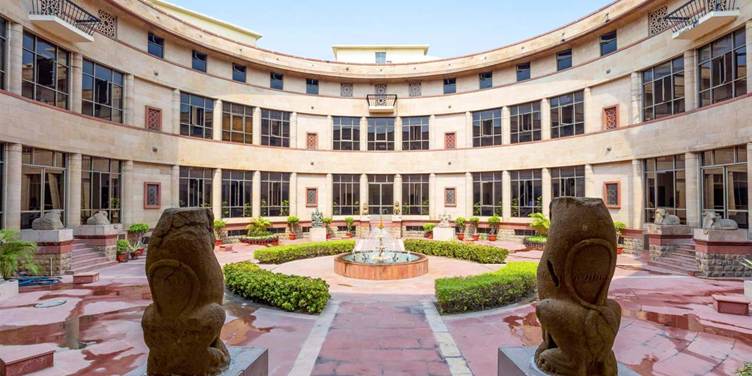
    Why Visit?
    The National Museum houses an extensive collection of artifacts, including ancient sculptures, paintings, and manuscripts.

    Highlights:

    • Harappan artifacts
    • Buddhist art
    • Mughal miniatures

    Best Time to Visit: Daytime.


    Bonus Recommendations:

    • Lodhi Gardens: A serene park with historical tombs and beautiful landscaping.
    • Dilli Haat: A vibrant market offering handicrafts and cuisines from different states of India.
    • Connaught Place: A bustling commercial and financial hub with shops, restaurants, and cafes.

    Travel Tips for Delhi:

    • Transportation: Delhi has a well-connected metro system, auto-rickshaws, and cabs. Consider using the metro to avoid traffic.
    • Local Cuisine: Don’t miss trying Chole Bhature, Butter Chicken, Paranthas, and Kebabs.
    • Best Time to Visit: October to March for pleasant weather.
    • Etiquette: Dress modestly, especially when visiting religious sites.

    Delhi is a city that will captivate you with its rich history, diverse culture, and vibrant energy. Whether you’re exploring its ancient monuments, savoring its delicious cuisine, or shopping in its bustling markets, Delhi promises an unforgettable experience. Plan your trip and get ready to explore the heart of India!

    Happy Travels!
  • Feel the Enchantment of Travel with myDestinations

    Feel the Enchantment of Travel with myDestinations

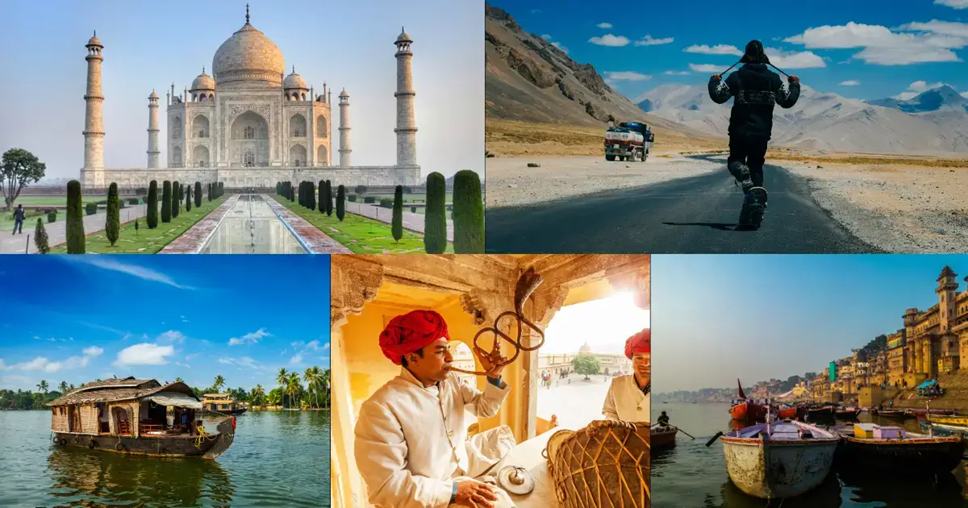
    Travel is not just an escape; it’s a chance to explore, learn, and create lasting memories. At myDestinations, we offer handpicked travel experiences—from the beauty of the Taj Mahal to houseboat adventures in Kerala and thrilling road trips in Ladakh.

    Begin your dream ride today!

    Unveiling India’s Hidden Treasures

    India is a treasure house of secrets to be unraveled from its hidden jewels. Have you ever walked through Meghalaya’s mystical living root bridges or boat-glided on Manipur’s Loktak Lake? If you are an archeology enthusiast, the ancient Ellora and Ajanta caves will be a thing of wonder.

    At myDestinations, we present you with unique experiences and off-the-beaten-path treasures, allowing you to discover India from a fresh perspective. Are you ready to explore? Let’s organize your next adventure!

    Comfortable Budgeted Hotels for Stay

    Traveling doesn’t have to be expensive; finding a budget hotel makes it affordable and doesn’t compromise comfort. Such hotels are everywhere-even in India, where there is much to discover internationally. 

    In India, cities like Jaipur, Delhi, and Goa offer excellent budget accommodations—from simple homestays to fully equipped hostels.

  • Top 10 Places to Visit in Rajasthan, the “Land of Kings”

    Top 10 Places to Visit in Rajasthan, the “Land of Kings”

    Rajasthan, the “Land of Kings,” is a vibrant state in India known for its majestic forts, opulent palaces, vast deserts, and rich cultural heritage. From the golden sands of Jaisalmer to the serene lakes of Udaipur, Rajasthan offers a kaleidoscope of experiences for every traveler. Whether you’re a history enthusiast, a nature lover, or a culture seeker, Rajasthan has something magical to offer. Here’s a curated list of the top 10 places to visit in Rajasthan:


    1. Jaipur – The Pink City

    Rajasthan

    Why Visit?
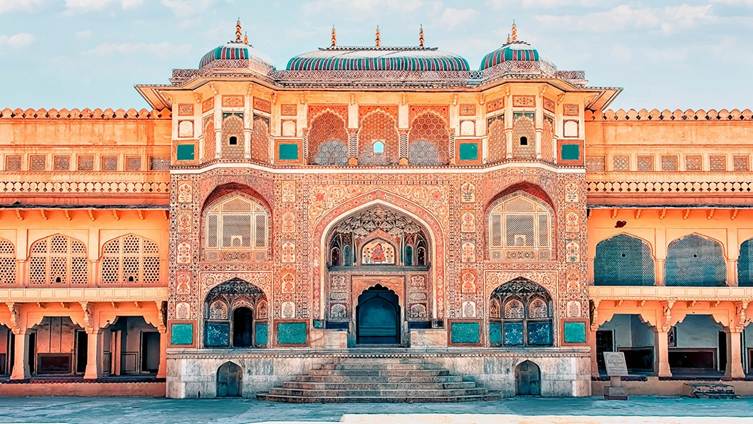
    Jaipur, the capital of Rajasthan, is a city of grandeur and charm. Known as the Pink City, it is famous for its stunning architecture, vibrant bazaars, and rich history.

    Highlights:

    • Amber Fort
    • Hawa Mahal
    • City Palace
    • Jantar Mantar (UNESCO World Heritage Site)
    • Nahargarh Fort

    Best Time to Visit: October to March


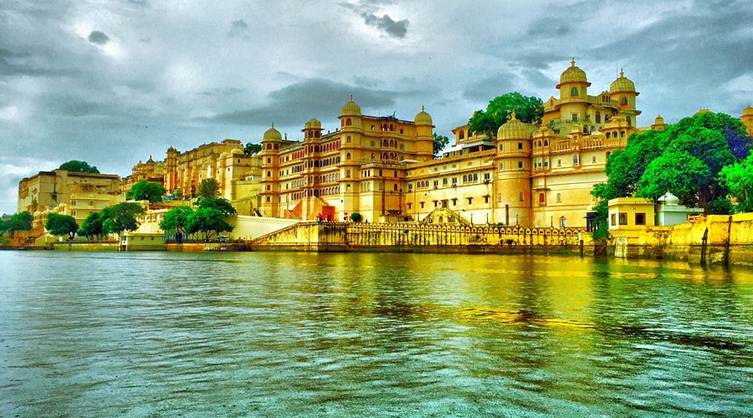
    2. Udaipur – The City of Lakes

    Why Visit?
    Udaipur is a romantic city known for its picturesque lakes, majestic palaces, and serene ambiance. It’s often referred to as the “Venice of the East.”

    Highlights:

    • Lake Pichola
    • City Palace
    • Jag Mandir
    • Saheliyon Ki Bari
    • Bagore Ki Haveli

    Best Time to Visit: September to March


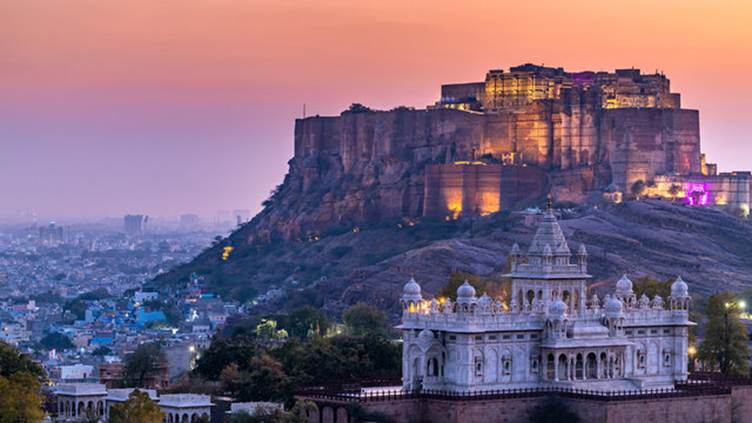
    3. Jodhpur – The Blue City

    Why Visit?
    Jodhpur, with its blue-painted houses and towering Mehrangarh Fort, offers a glimpse into Rajasthan’s royal past and vibrant culture.

    Highlights:

    • Mehrangarh Fort
    • Umaid Bhawan Palace
    • Jaswant Thada
    • Mandore Gardens

    Best Time to Visit: October to March


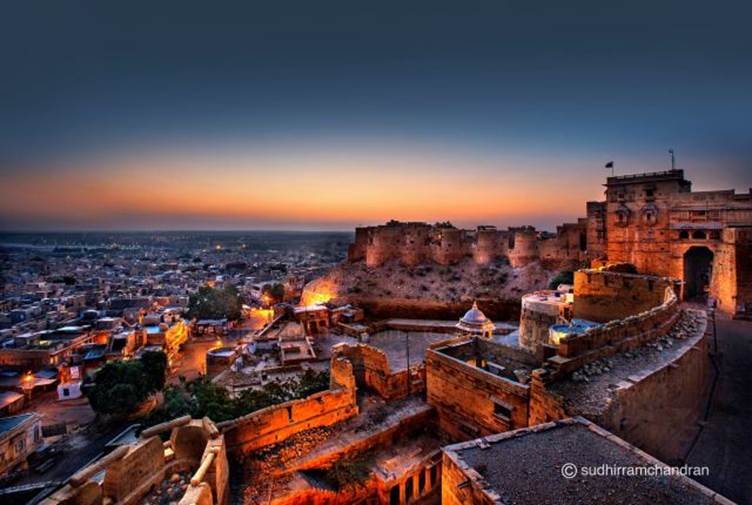
    4. Jaisalmer – The Golden City

    Why Visit?
    Jaisalmer, located in the heart of the Thar Desert, is famous for its golden sandstone architecture and enchanting desert experiences.

    Highlights:

    • Jaisalmer Fort
    • Patwon Ki Haveli
    • Sam Sand Dunes (Desert Safari)
    • Gadisar Lake

    Best Time to Visit: November to February


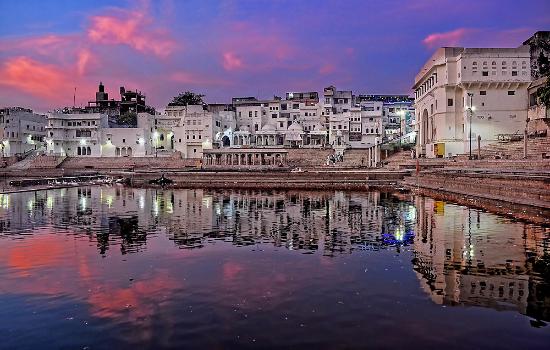
    5. Pushkar – The Sacred City

    Why Visit?
    Pushkar is a sacred town known for its Brahma Temple and the annual Pushkar Camel Fair. It’s a spiritual haven with a serene atmosphere.

    Highlights:

    • Pushkar Lake
    • Brahma Temple
    • Savitri Temple
    • Pushkar Camel Fair (held in November)

    Best Time to Visit: October to March


    6. Ranthambore – The Wildlife Haven

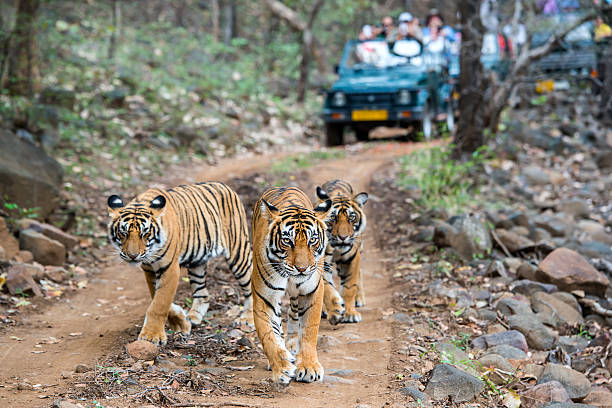
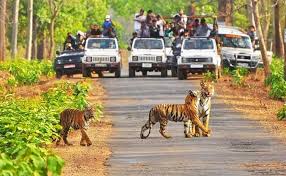
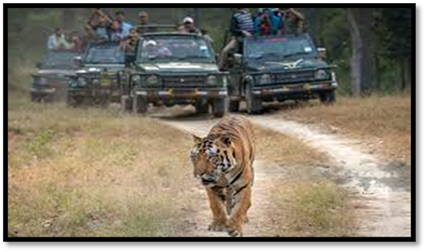
    A tigeress with her two juvenile cubs (Bengal tigers, also called “Royal Tiger”, Panthera tigris tigris) walking on a road in the green jungle. In the background a car with tourists and photographers is visible. The Bengal Tiger is critical endangered, the total population was estimated in 2011 at fewer than 2,500 individuals with a decreasing trend.

    Why Visit?
    Ranthambore National Park is one of the best places in India to spot the majestic Bengal tiger in its natural habitat.

    Highlights:

    • Ranthambore National Park
    • Ranthambore Fort
    • Trinetra Ganesh Temple

    Best Time to Visit: October to April


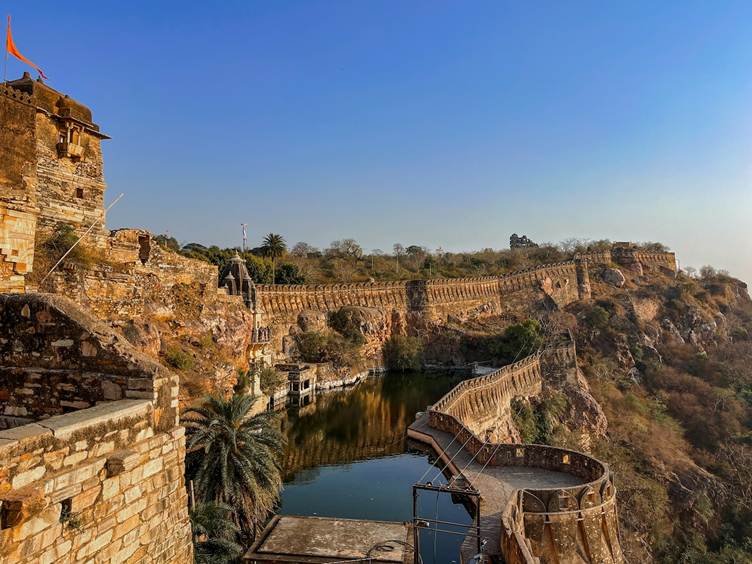
    7. Chittorgarh – The Land of Valor

    Why Visit?
    Chittorgarh is a symbol of Rajput pride and bravery, known for its massive fort and tales of heroism.

    Highlights:

    • Chittorgarh Fort
    • Vijay Stambh (Tower of Victory)
    • Kirti Stambh (Tower of Fame)
    • Rana Kumbha Palace

    Best Time to Visit: October to March


    8. Mount Abu – The Hill Station

    Why Visit?
    Mount Abu, Rajasthan’s only hill station, offers a cool retreat with lush greenery, serene lakes, and stunning temples.

    Highlights:

    • Dilwara Jain Temples
    • Nakki Lake
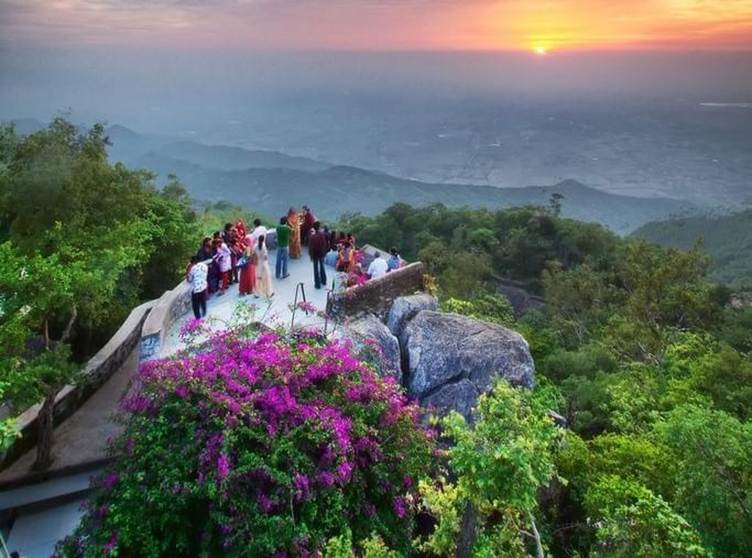
    • Guru Shikhar
    • Sunset Point

    Best Time to Visit: November to March


    9. Bikaner – The Desert City

    Why Visit?
    Bikaner is known for its magnificent forts, camel safaris, and delectable snacks like Bikaneri Bhujia.

    Highlights:

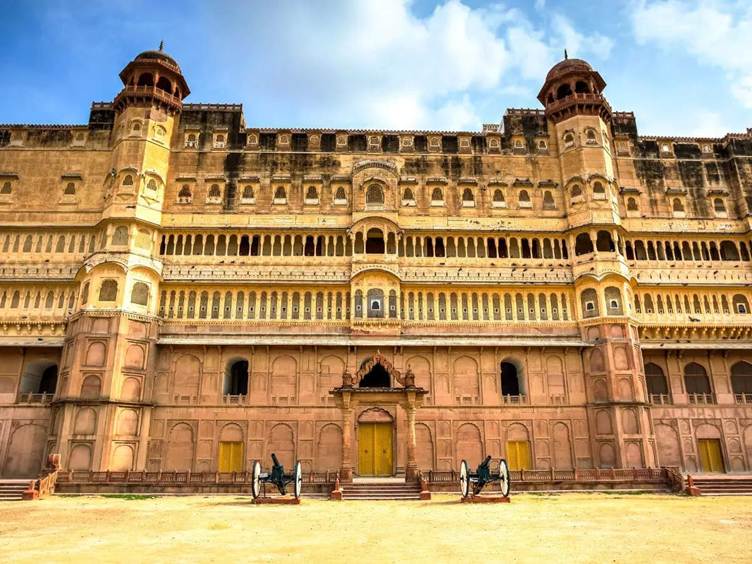
    • Junagarh Fort
    • Karni Mata Temple (Rat Temple)
    • Lalgarh Palace
    • Camel Research Farm

    Best Time to Visit: October to March


    10. Ajmer – The Pilgrimage Hub

    Why Visit?
    Ajmer is a significant pilgrimage site for both Hindus and Muslims, known for the revered Ajmer Sharif Dargah.

    Highlights:

    • Ajmer Sharif Dargah
    • Ana Sagar Lake
    • Taragarh Fort
    • Adhai Din Ka Jhonpra

    Best Time to Visit: October to March


    Travel Tips for Rajasthan:

    • Transportation: Rajasthan is well-connected by rail, road, and air. Major cities like Jaipur, Udaipur, and Jodhpur have airports.
    • Local Cuisine: Don’t miss trying Dal Baati Churma, Gatte Ki Sabzi, Laal Maas, and Ghewar.
    • Language: Hindi and Rajasthani are widely spoken.
    • Etiquette: Dress modestly, especially when visiting religious sites.

    Rajasthan is a land of royal splendor, vibrant culture, and breathtaking landscapes. Whether you’re exploring majestic forts, riding camels in the desert, or immersing yourself in spiritual vibes, Rajasthan promises an unforgettable journey. Pack your bags and get ready to experience the magic of the Land of Kings!

    Happy Travels!
  • Best 10 Tourist places to visit in Madhya Pradesh

    Best 10 Tourist places to visit in Madhya Pradesh


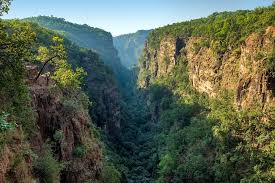
    Madhya Pradesh, meaning “Central Province,” is India’s second largest state by area, located in central India. Known as the “heart of India,” it boasts rich historical sites like Khajuraho temples, Sanchi Stupa, and Bhimbetka rock shelters, all recognized as UNESCO World Heritage sites. Bhopal is the capital city, and Madhya Pradesh is also famous for its diverse wildlife, earning it the title “Tiger State of India”. 
    So now the list of 10 Best places to visit in Madhya Pradesh are:


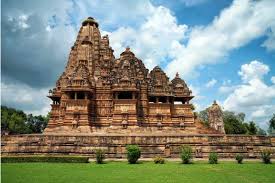
    1. Khajuraho (UNESCO World Heritage Site)

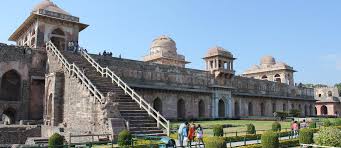
    Madhya Pradesh UNESCO
    • Famous for its stunning group of Hindu and Jain temples.
    • Known for intricate and artistic sculptures depicting human emotions and relationships.
    • Built by the Chandela dynasty between the 9th and 12th centuries.
    • Divided into Eastern, Western, and Southern temple groups.
    • The Kandariya Mahadeva Temple is the most magnificent among them.
    • Recognized as a UNESCO World Heritage Site for its architectural brilliance.
    • Light and Sound Show in the evening enhances the historical experience.
    • Best visited between October and March for pleasant weather.
    • Hosts the famous Khajuraho Dance Festival annually.
    • Connected by road and air, with the nearest airport in Khajuraho town.

    2. Bhopal (Capital City & Lake City)

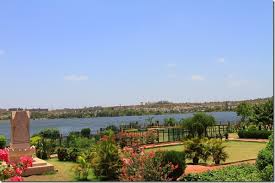
    • The capital city of Madhya Pradesh, known for its beautiful lakes.
    • Upper Lake (Bada Talab) and Lower Lake (Chhota Talab) offer scenic views.
    • Taj-ul-Masajid is one of the largest mosques in India.
    • Bhojpur Temple houses a massive unfinished Shiva Linga.
    • The State Museum and Bharat Bhavan showcase rich cultural heritage.
    • Sanchi Stupa, a UNESCO site, is located about 46 km from Bhopal.
    • Van Vihar National Park is a unique open zoo with free-ranging animals.
    • Bhimbetka Rock Shelters, an archaeological site with prehistoric cave paintings, is nearby.
    • A blend of Mughal and modern architecture can be seen throughout the city.
    • Well connected by rail, road, and air with an international airport.

    3. Indore (Commercial Hub & Food Capital)

    • The largest city and commercial capital of Madhya Pradesh.
    • Rajwada Palace showcases Maratha and Mughal architectural styles.
    • Lal Bagh Palace reflects the grandeur of the Holkar dynasty.
    • The famous Sarafa Bazaar and Chappan Dukan offer delicious street food.
    • Kanch Mandir is a beautiful Jain temple made entirely of glass.
    • Patalpani Waterfall is a scenic picnic spot near Indore.
    • Annapurna Temple is a significant Hindu pilgrimage site.
    • Named India’s cleanest city multiple times under the Swachh Bharat campaign.
    • Hosts the vibrant Ahilya Utsav to honor Rani Ahilyabai Holkar.
    • Well connected by road, rail, and air, with Devi Ahilya Bai Holkar Airport.

    4. Ujjain (Mahakaleshwar Jyotirlinga)

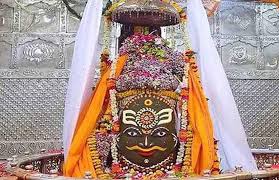
    • One of the holiest cities in India and an important Hindu pilgrimage site.
    • Mahakaleshwar Temple is one of the 12 Jyotirlingas dedicated to Lord Shiva.
    • Kumbh Mela, the world’s largest religious gathering, is held here every 12 years.
    • Kal Bhairav Temple is famous for its unique liquor offerings to the deity.
    • Harsiddhi Temple is a Shakti Peetha dedicated to Goddess Durga.
    • Ram Ghat on the Shipra River is a major center for spiritual activities.
    • Jantar Mantar (Vedh Shala) is an ancient astronomical observatory.
    • Offers authentic Malwa cuisine, including poha and jalebi.
    • Connected well by road and rail, with the nearest airport in Indore.
    • Best visited during Mahashivratri and the Kumbh Mela for grand celebrations.

    5. Gwalior (Fort City & Cultural Hub)

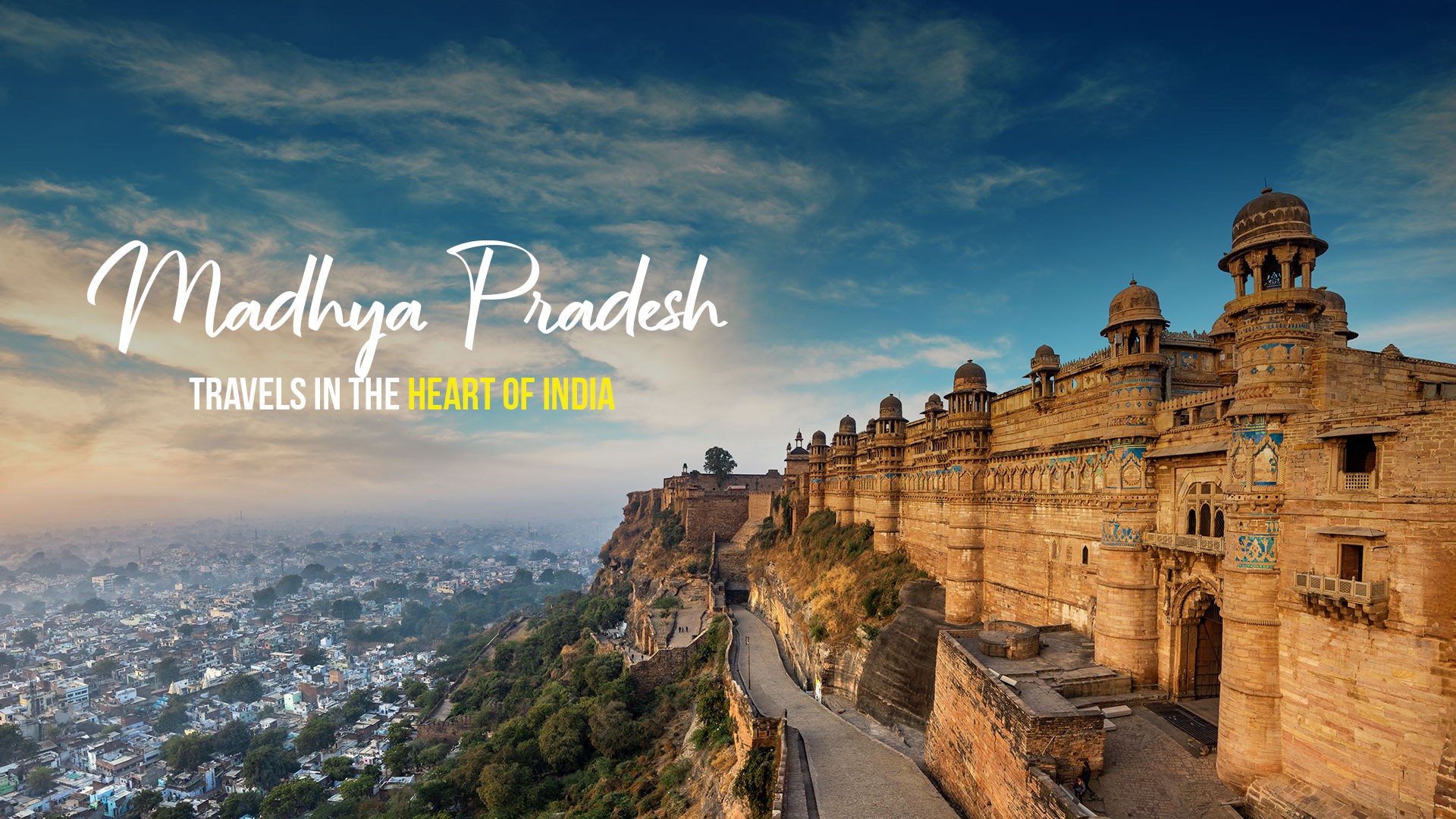
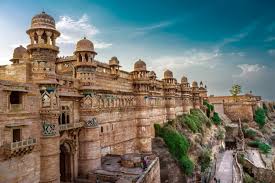
    • Home to the magnificent Gwalior Fort, often called “the Gibraltar of India.”
    • Jai Vilas Palace showcases European-style architecture and royal artifacts.
    • The Tomb of Tansen, a great musician from Akbar’s court, is located here.
    • Sun Temple is inspired by the famous Konark Sun Temple of Odisha.
    • Sas Bahu Temples exhibit intricate architectural designs.
    • Gopachal Parvat has enormous Jain rock-cut sculptures.
    • Offers the Tansen Music Festival, dedicated to classical Indian music.
    • The city is famous for its rich history and cultural heritage.
    • Well connected by road, rail, and air, with Gwalior Airport serving the region.
    • Best visited between October and March for a comfortable experience.

    6. Pachmarhi (Hill Station & Biosphere Reserve)

    • The only hill station of Madhya Pradesh, located in the Satpura range.
    • Bee Falls is a beautiful cascading waterfall ideal for nature lovers.
    • Dhoopgarh is the highest peak of Madhya Pradesh, offering mesmerizing sunset views.
    • Jata Shankar Cave is a revered Hindu pilgrimage site dedicated to Lord Shiva.
    • Pandav Caves are believed to have been inhabited by the Pandavas during their exile.
    • Satpura National Park is home to diverse flora and fauna.
    • Known for its tranquil environment, making it a great retreat from city life.
    • Rajat Prapat (Silver Falls) is one of the highest waterfalls in the region.
    • Best visited between October and June for pleasant weather.
    • Well connected by road, with the nearest railway station in Pipariya.

    7. Kanha National Park (Tiger Reserve & Wildlife Sanctuary)

    • One of India’s best tiger reserves, famous for its conservation efforts.
    • Inspired Rudyard Kipling’s The Jungle Book.
    • Home to Bengal tigers, leopards, barasingha (swamp deer), and wild dogs.
    • Offers thrilling jeep safaris and nature trails.
    • Dense forests, meadows, and rivers create a stunning landscape.
    • Bamni Dadar (Sunset Point) offers breathtaking sunset views.
    • The park has an eco-tourism approach for wildlife conservation.
    • Best visited between October and June, with peak sightings in March-May.
    • Connected by road, with the nearest airports in Jabalpur and Nagpur.
    • A must-visit for wildlife enthusiasts and photographers.

    8. Sanchi (UNESCO World Heritage Site & Buddhist Stupas)  

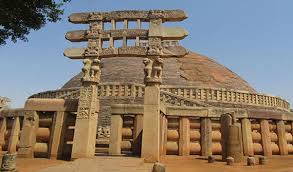
    • Home to the famous Sanchi Stupa, built by Emperor Ashoka in the 3rd century BCE.
    • A UNESCO World Heritage Site and one of the oldest Buddhist structures.
    • The site has multiple stupas, monasteries, and Ashoka Pillars.
    • The Great Stupa is adorned with intricate carvings depicting Buddhist teachings.
    • The Sanchi Museum displays ancient Buddhist relics and sculptures.
    • Toranas (gateway carvings) illustrate stories from Buddha’s life.
    • The site is a major pilgrimage destination for Buddhists worldwide.
    • Well connected by road, with the nearest railway station in Vidisha.
    • Best visited between October and March for comfortable sightseeing.
    • A must-visit for history lovers and spiritual seekers.

    9. Orchha (Historical Temples & Palaces)

    • Known for its well-preserved palaces, temples, and cenotaphs.
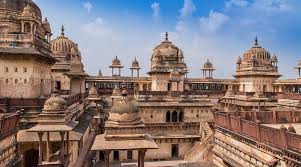
    • The Orchha Fort complex includes Raja Mahal, Jahangir Mahal, and Sheesh Mahal.
    • Chaturbhuj Temple is an architectural marvel dedicated to Lord Vishnu.
    • Ram Raja Temple is the only place where Lord Rama is worshiped as a king.
    • The Betwa River provides scenic beauty and adventure activities like rafting.
    • The cenotaphs (chhatris) are dedicated to the Bundela rulers.
    • A great destination for history lovers and photographers.
    • Offers a rich blend of Mughal and Rajput architectural styles.
    • Well connected by road, with the nearest railway station in Jhansi.
    • Best visited between October and March for a pleasant experience.

    10. Mandu (Ruined City & Afghan Architecture)

    • An ancient city famous for Afghan-style architecture and fortifications.
    • Jahaz Mahal appears like a floating palace between two lakes.
    • Rani Roopmati Pavilion offers stunning views of the Narmada River.
    • Hindola Mahal was a royal audience hall with sloping walls.
    • A historic love story between Baz Bahadur and Rani Roopmati is linked to the site.
    • Echo Point and Rewa Kund are other notable attractions.
    • Surrounded by lush greenery, especially beautiful during monsoon.
    • Best visited between October and March.
    • Well connected by road, with the nearest railway station in Ratlam.
    • A paradise for history enthusiasts and nature lovers.

  • Best 10 tourist places in Uttar Pradesh:

    Best 10 tourist places in Uttar Pradesh:

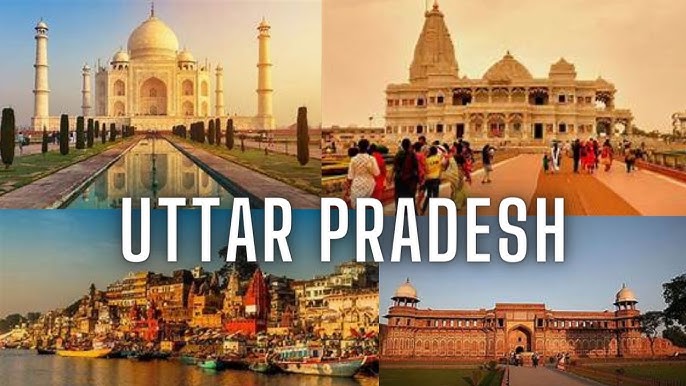
    Famous Tourist Spots in UP: Uttar Pradesh is home to many amazing tourist spots, including the famous Taj Mahal in Agra and the holy city of Varanasi. Visitors can enjoy beautiful historical sites, rich cultures, and important religious places. Discover the top places to visit that make Uttar Pradesh a great destination in India.


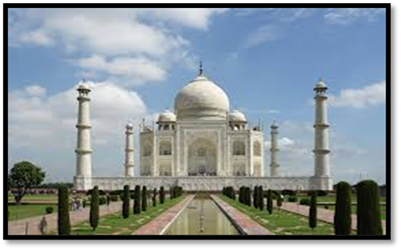
    1. Taj Mahal (Agra)
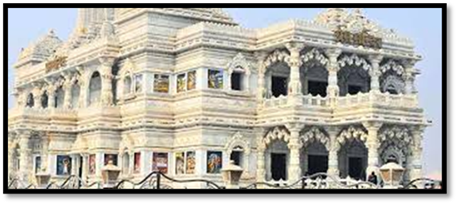
    Uttar Pradesh Agra
    • Built by Mughal Emperor Shah Jahan in memory of his wife Mumtaz Mahal.
    • Constructed entirely from white marble and adorned with intricate carvings.
    • Recognized as a UNESCO World Heritage Site and one of the Seven Wonders of the World.
    • Located on the banks of the Yamuna River, offering breathtaking views.
    • Houses the tombs of Shah Jahan and Mumtaz Mahal inside the main mausoleum.
    • The monument changes color depending on the time of day and light.
    • Built over 20 years by approximately 20,000 artisans.
    • Features Persian, Islamic, and Indian architectural influences.
    • The Taj complex includes the Charbagh gardens, a mosque, and a guesthouse.
    • Attracts millions of tourists every year from across the world.

    2. Varanasi (Kashi Vishwanath Temple & Ghats)

    • Considered the spiritual capital of India and one of the world’s oldest cities.
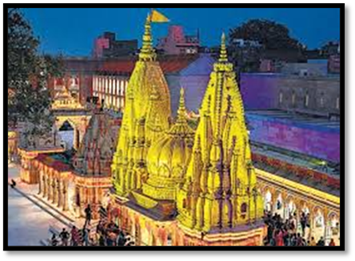
    • Home to the revered Kashi Vishwanath Temple dedicated to Lord Shiva.
    • Features over 80 ghats, with Dashashwamedh Ghat being the most famous.
    • The Ganga Aarti, held daily at the ghats, is a mesmerizing spiritual experience.
    • Believed that dying in Varanasi leads to moksha (liberation from the cycle of rebirth).
    • Sarnath, where Buddha gave his first sermon, is located nearby.
    • Famous for its Banarasi silk sarees and handicrafts.
    • A hub for learning, with institutions like Banaras Hindu University (BHU).
    • Rich in cultural heritage, with classical music and dance performances.
    • Offers unique street food experiences, including kachori, lassi, and malaiyyo.

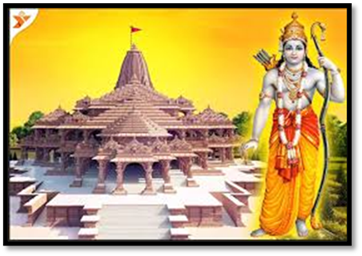
    3.Ayodhya (Ram Janmabhoomi & Hanuman Garhi)

    • Revered as the birthplace of Lord Rama, a key figure in Hindu mythology.
    • The grand Ram Mandir is a major religious and architectural attraction.
    • Hanuman Garhi, a temple dedicated to Lord Hanuman, is a significant pilgrimage site.
    • Kanak Bhawan is known for its gold-adorned idols of Lord Rama and Sita.
    • Saryu River Ghats attract devotees for holy dips and religious rituals.
    • Celebrates grand Diwali celebrations, lighting millions of diyas along the river.
    • Known for its historical importance in Hindu epics like Ramayana.
    • Hosts Ram Leela performances, depicting the life of Lord Rama.
    • Attracts devotees from all over the world for religious tourism.
    • Offers traditional sweets like peda and khurchan, famous among visitors.

    4. Mathura-Vrindavan (Krishna Janmabhoomi & Banke Bihari Temple)

    • Mathura is believed to be the birthplace of Lord Krishna.
    • Krishna Janmabhoomi Temple is the main attraction, marking his birthplace.
    • Vrindavan is associated with Krishna’s childhood and divine pastimes.
    • The Banke Bihari Temple is one of the most revered Krishna temples.
    • Famous for grand Holi celebrations with colors, flowers, and Lathmar Holi.
    • ISKCON Temple in Vrindavan is a major attraction for Krishna devotees.
    • Govardhan Hill, where Krishna lifted the mountain, is a pilgrimage site.
    • Yamuna River ghats host daily aartis and spiritual rituals.
    • Mathura peda and Vrindavan lassi are popular among visitors.
    • Rich in cultural heritage, with various festivals celebrating Krishna’s life.

    5. Lucknow (Bara Imambara & Rumi Darwaza)

    • The capital city of Uttar Pradesh, known for its Nawabi culture.
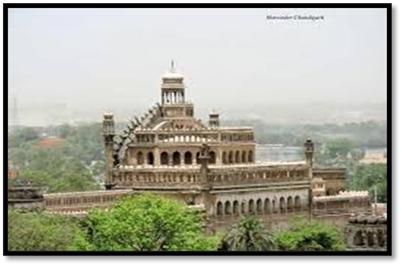
    • Bara Imambara is a grand Mughal-era monument with a unique labyrinth.
    • Rumi Darwaza, an iconic gateway, is inspired by Turkish architecture.
    • The city is famous for its Awadhi cuisine, including kebabs and biryanis.
    • Home to the Chikankari embroidery industry, a world-renowned craft.
    • Hazratganj is the city’s popular shopping and entertainment hub.
    • Ambedkar Memorial Park is a massive sandstone structure dedicated to social justice.
    • British Residency showcases historical significance from the 1857 revolt.
    • Known as the “City of Tehzeeb” (etiquette) for its refined culture.
    • Hosts grand cultural events like the Lucknow Mahotsav.

    6. Prayagraj (Triveni Sangam & Kumbh Mela)

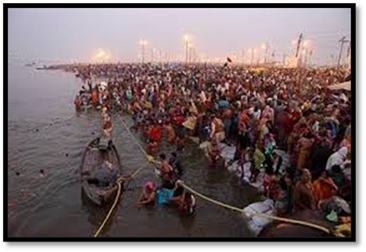
    • Known for the confluence of three sacred rivers – Ganga, Yamuna, and Saraswati.
    • Triveni Sangam is considered a holy site for bathing and performing rituals.
    • Hosts the world-famous Kumbh Mela every 12 years, the largest religious gathering.
    • Allahabad Fort, built by Emperor Akbar, is a key historical site.
    • Anand Bhavan, the ancestral home of the Nehru family, is now a museum.
    • Allahabad University is one of the oldest universities in India.
    • Magh Mela is another significant religious fair held annually.
    • Alopi Devi Temple is a unique shrine where no idol is worshipped.
    • Famous for Prayagraj guavas, known for their taste and quality.
    • Rich in historical and cultural heritage, attracting pilgrims and historians alike.

    7. Jhansi (Jhansi Fort & Rani Mahal)

    • Associated with Rani Lakshmibai, a key figure in India’s 1857 Revolt.
    • Jhansi Fort is a massive structure offering panoramic city views.
    • Rani Mahal was the palace of Rani Lakshmibai, now a museum.
    • St. Jude’s Shrine is an important religious site for Christians.
    • Maharaja Gangadhar Rao Ki Chatri is a beautiful cenotaph in her husband’s memory.
    • Jhansi Museum showcases artifacts from the Bundelkhand region.
    • Orchha, a nearby historical town, is known for its palaces and temples.
    • Famous for its historical and cultural festivals, including Jhansi Mahotsav.
    • Betwa River offers scenic beauty and adventure activities.
    • The city is a gateway to Bundelkhand’s rich history.

    8. Sarnath (Dhamek Stupa & Ashoka Pillar)

    • A major Buddhist pilgrimage site where Lord Buddha gave his first sermon.
    • Dhamek Stupa is a towering structure marking the sermon site.
    • The Ashoka Pillar, with the four-lion emblem, is India’s national symbol.
    • Mulagandha Kuti Vihar is a modern Buddhist temple with fresco paintings.
    • Sarnath Museum houses ancient Buddhist artifacts and sculptures.
    • Deer Park is believed to be where Buddha first taught his disciples.
    • Chaukhandi Stupa marks the spot where Buddha met his first disciples.
    • The site has monasteries built by various Buddhist countries.
    • Attracts global Buddhist monks and scholars for spiritual studies.
    • Rich in ancient history and serene atmosphere for meditation.

    9. Fatehpur Sikri (Buland Darwaza & Jama Masjid)

    • A UNESCO World Heritage Site built by Emperor Akbar.
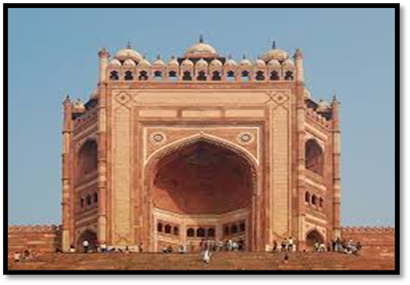
    • Buland Darwaza is the highest gateway in the world.
    • Jama Masjid is an impressive mosque built in Mughal style.
    • Panch Mahal is a five-story palace with stunning architecture.
    • Diwan-i-Khas showcases Akbar’s famous “Ibadat Khana.”
    • Anup Talao is a beautiful water tank with an island pavilion.
    • The city was abandoned due to water shortages.
    • Salim Chishti’s tomb is a sacred Sufi shrine.
    • Offers a glimpse into Mughal-era town planning.
    • A must-visit for history and architecture enthusiasts.

    10. Dudhwa National Park

    • A major wildlife sanctuary in the Terai region of Uttar Pradesh.
    • Known for its Bengal tigers, swamp deer, and rhinoceroses.
    • A paradise for bird watchers with over 400 species.
    • Offers jungle safaris and nature trails.
    • Part of the Project Tiger initiative.
    • Includes dense Sal forests and grasslands.
    • Home to indigenous Tharu tribes.
    • A hotspot for conservation and eco-tourism.
    • River Mohana flows through the park.
    • Best visited between November and April.

  • Best 10 Places to Visit in Bihar

    Best 10 Places to Visit in Bihar

    Bihar, one of India’s oldest and most culturally rich states, is a treasure trove of history, spirituality, and natural beauty. From ancient ruins to serene monasteries, Bihar offers a unique blend of experiences for every traveler. Whether you’re a history buff, a spiritual seeker, or a nature lover, Bihar has something for everyone. Here’s a curated list of the top 10 places to visit in Bihar.

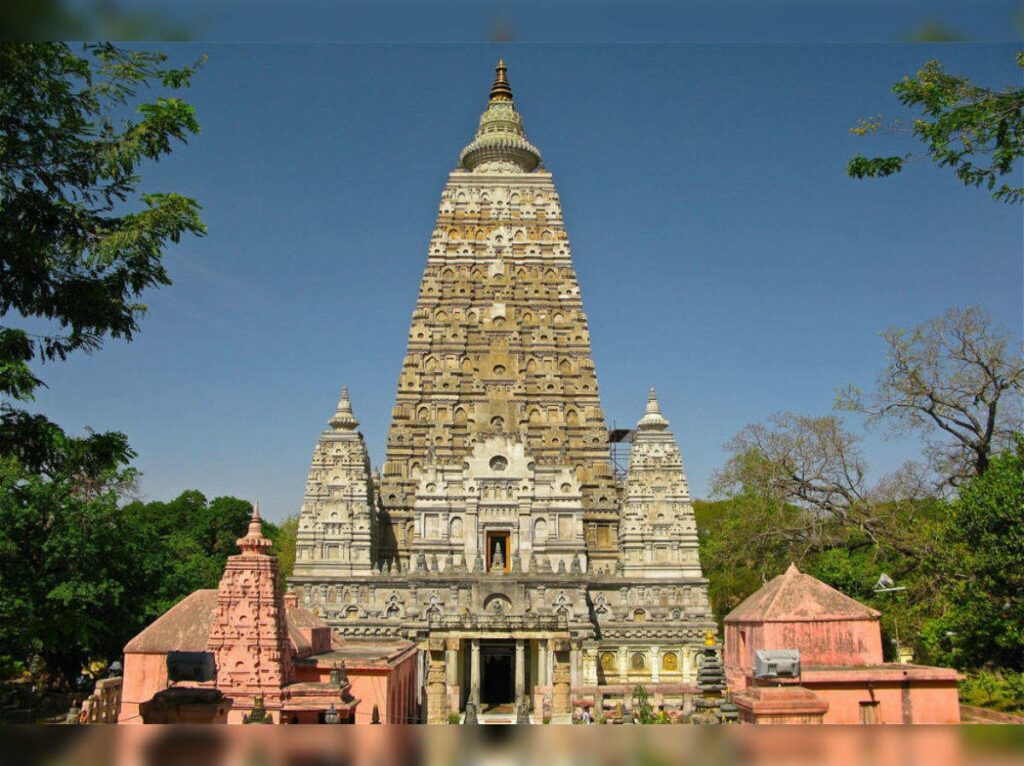
    1. Bodh Gaya

    Why Visit? 

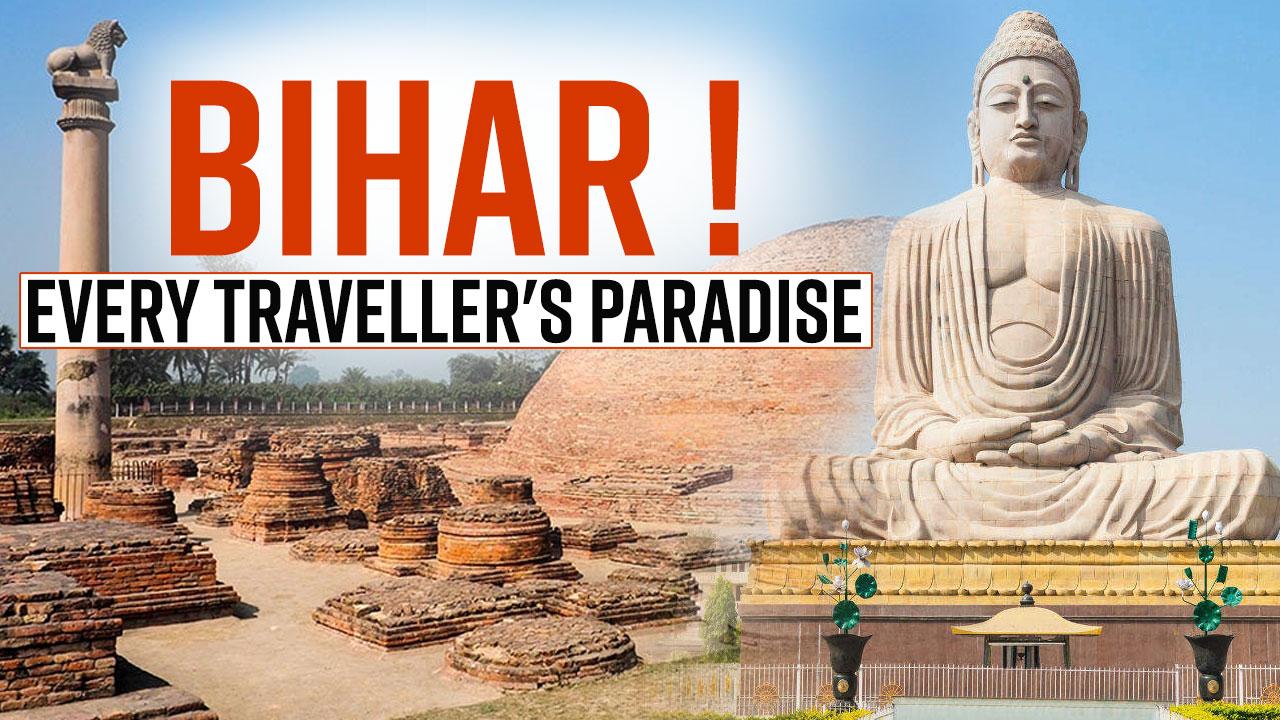
    Bodh Gaya is the most sacred Buddhist pilgrimage site in the world, where Lord Buddha attained enlightenment under the Bodhi Tree. The Mahabodhi Temple, a UNESCO World Heritage Site, is the centerpiece of this spiritual town. 

    Highlights: 

    – Mahabodhi Temple 

    – Bodhi Tree 

    – Great Buddha Statue 

    – Monasteries from various countries 

    Best Time to Visit: October to March 

    2. Nalanda 

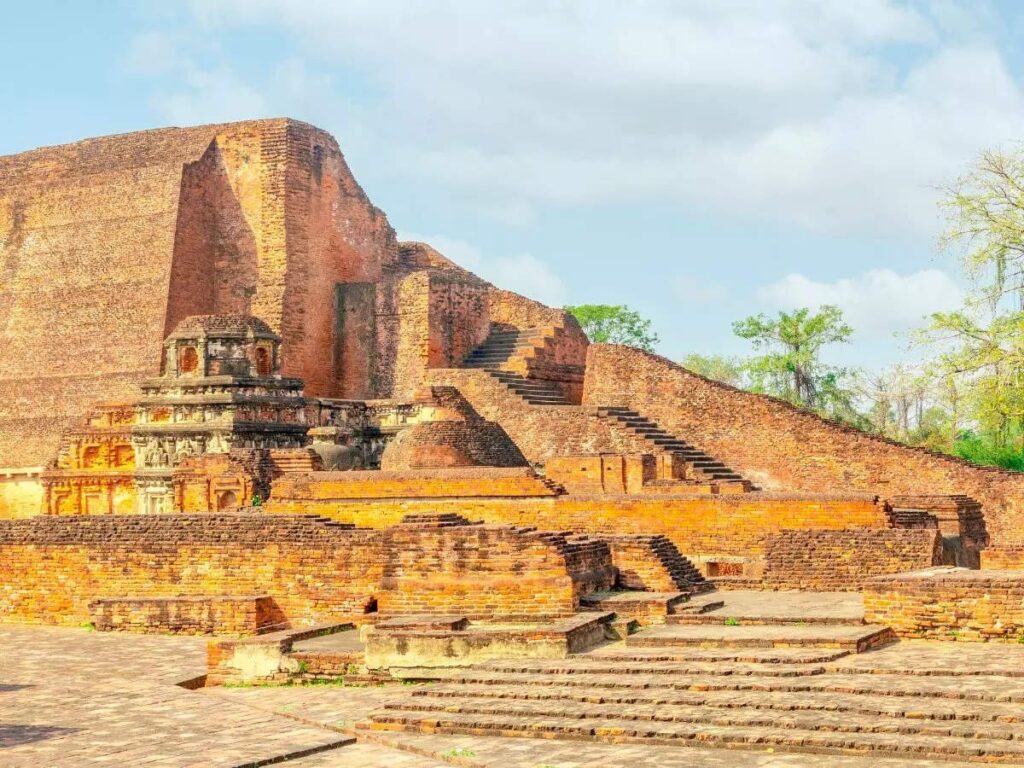
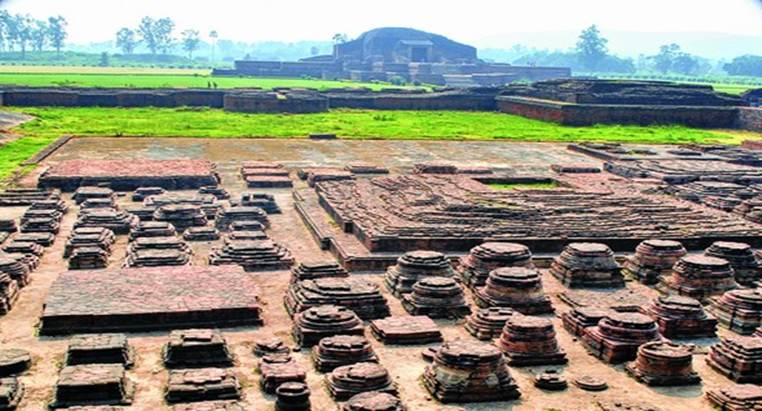
    Ruins of Nalanda University

    Why Visit? 

    Nalanda is home to the ruins of one of the world’s oldest universities, a center of learning and culture in ancient India. The Nalanda University Archaeological Complex is a must-visit for history enthusiasts. 

    Highlights: 

    – Nalanda University Ruins 

    – Nalanda Archaeological Museum 

    – Xuanzang Memorial Hall 

    Best Time to Visit: November to February 

    3. Rajgir 

    Why Visit? 

    Rajgir, nestled in a lush green valley, is a place of historical and religious significance. It was the capital of the Magadha Empire and a favorite retreat of Lord Buddha and Mahavira. 

    Highlights: 

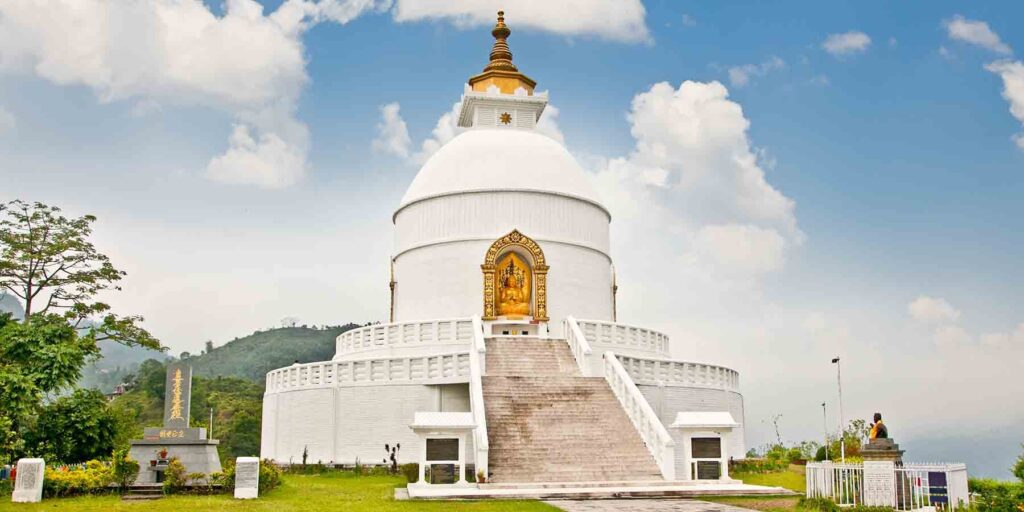
    – Vishwa Shanti Stupa (Peace Pagoda) 

    – Gridhakuta Hill (Vulture’s Peak) 

    – Hot Springs 

    – Ropeway to Shanti Stupa 

    Best Time to Visit: October to March 

    4. Vaishali 

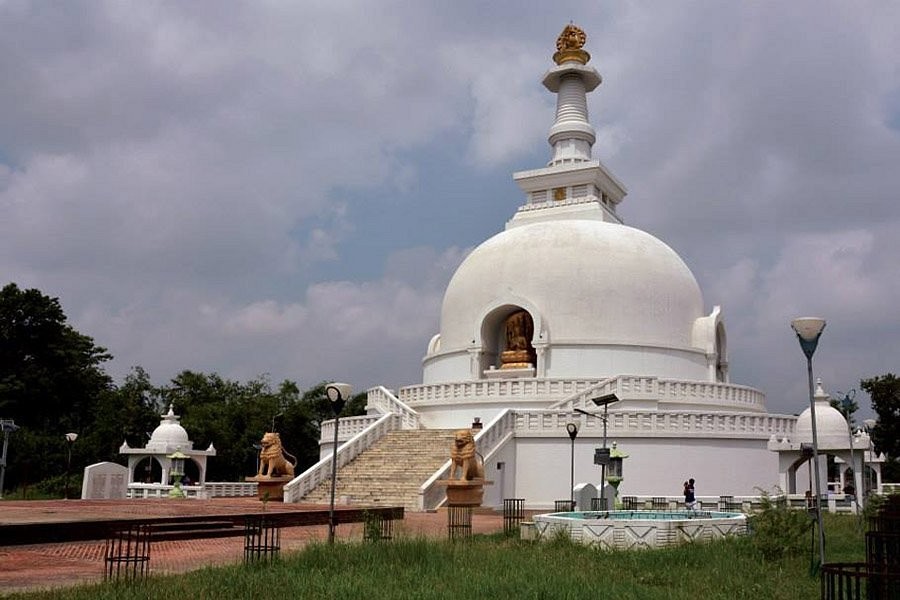
    White Pagoda

    Why Visit? 

    Vaishali is a significant archaeological location and a prominent pilgrimage site for both Buddhists and Jains. It is thought to be the birthplace of Lord Mahavira and the place where Buddha gave his final sermon.

    Highlights: 

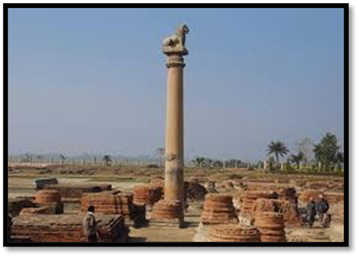
    – Ashoka Pillar 

    – Buddha Stupa 

    – Vaishali Museum 

    Best Time to Visit: October to March 

    5. Patna 

    Mahavir Mandir

    Why Visit? 

    Patna, the capital of Bihar, is a bustling city with a rich historical legacy. It was once known as Pataliputra, the capital of the Mauryan Empire. 

    Highlights: 

    – Golghar 

    – Patna Museum 

    – Mahavir Mandir 

    – Kumhrar Archaeological Site 

    Best Time to Visit: October to March 

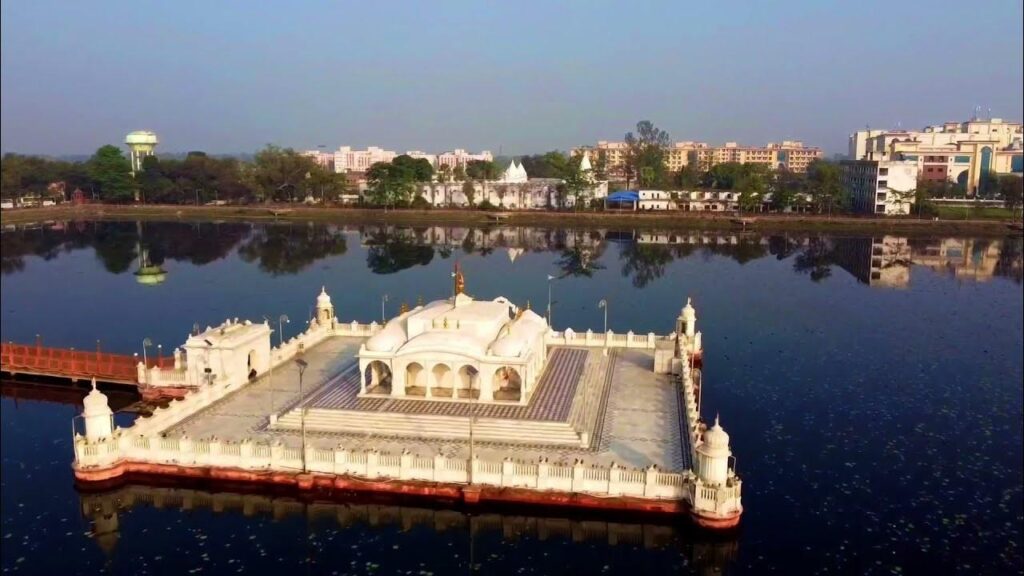
    6. Pawapuri 

    Mahavir Mandir

    Why Visit? 

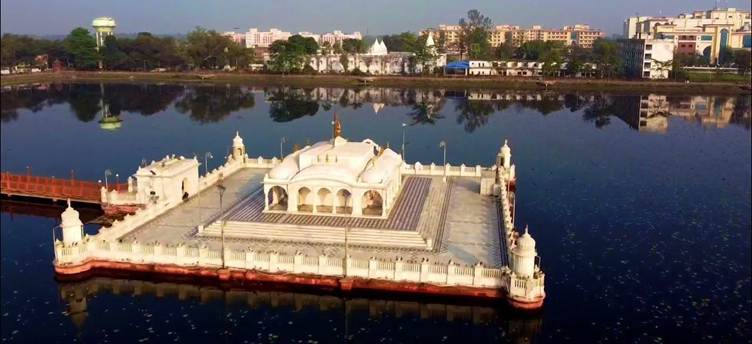
    Pawapuri, also known as Apapuri, is a sacred Jain pilgrimage site where Lord Mahavira attained Nirvana. The Jal Mandir, located in the middle of a lotus pond, is a serene and beautiful spot. 

    Highlights: 

    – Jal Mandir 

    – Samosharan Temple 

    Best Time to Visit: October to March 

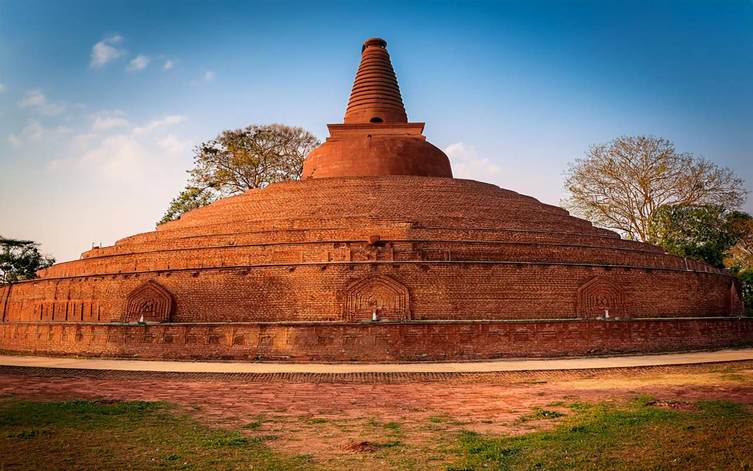
    7. Kesaria 

    Why Visit? 

    Kesaria is home to the tallest Buddhist stupa in the world, standing at 104 feet. It is believed to have been built by Emperor Ashoka to commemorate Buddha’s last journey. 

    Highlights: 

    – Kesaria Stupa 

    Best Time to Visit: November to February 

    8. Munger 

    Why Visit? 

    Munger is a city with a rich history and is known for its yoga and meditation centers. It is also home to the famous Bihar School of Yoga. 

    Highlights: 

    – Munger Fort 

    – Bihar School of Yoga 

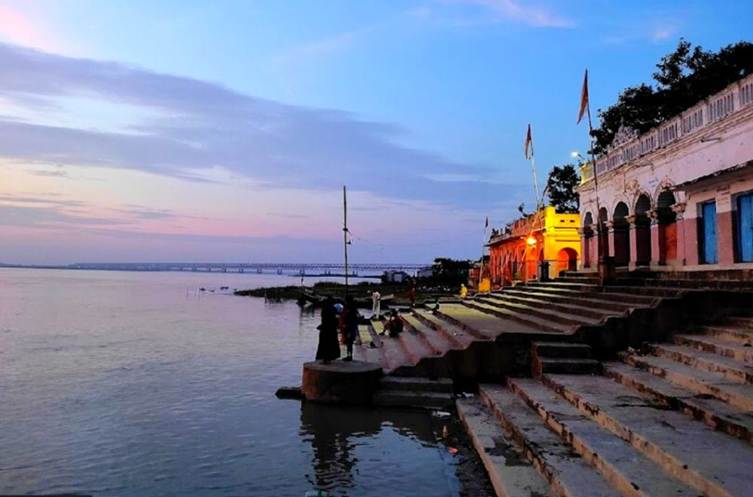
    – Kastaharni Ghat 

    Best Time to Visit: October to March 

    9. Vikramshila 

    Why Visit? 

    Vikramshila was once a prominent center of Buddhist learning, rivaling Nalanda University. The ruins of Vikramshila University are a testament to Bihar’s glorious past. 

    Highlights: 

    – Vikramshila Ruins 

    Best Time to Visit: November to February 

    10. Bhagalpur

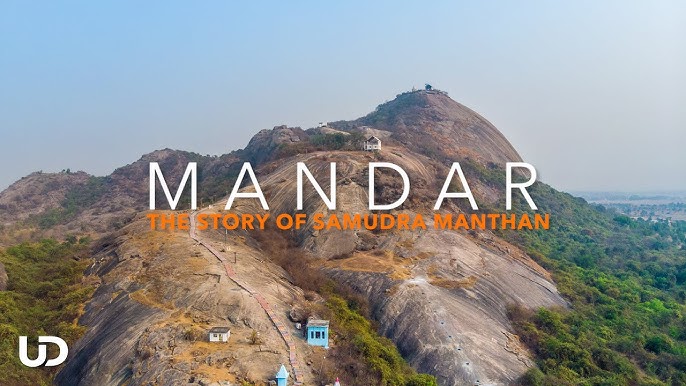
    Mandar Hills

    Why Visit? 

    Bhagalpur, known as the “Silk City,” is famous for its silk production and the Vikramshila Gangetic Dolphin Sanctuary, home to the endangered Gangetic dolphins. 

    Highlights: 

    – Vikramshila Gangetic Dolphin Sanctuary 

    – Mandar Parvat 

    – Colganj Rock Cut Temples 

    Best Time to Visit: October to March 

    Travel Tips for Bihar: 

    Transportation: Bihar is well-connected by rail, road, and air. Patna is the main hub for flights and trains. 

    Local Cuisine: Don’t miss trying Litti Chokha, Sattu Paratha, and Khaja. 

    Language: Hindi and Bhojpuri are widely spoken. 

    Etiquette: Dress modestly, especially when visiting religious sites. 

    Bihar is a land of timeless heritage and spiritual enlightenment. Whether you’re exploring ancient ruins, meditating in serene monasteries, or soaking in the natural beauty, Bihar promises an unforgettable journey. Pack your bags and get ready to explore the heart of India’s cultural and spiritual legacy! 

    Happy Travels! 🌍✨